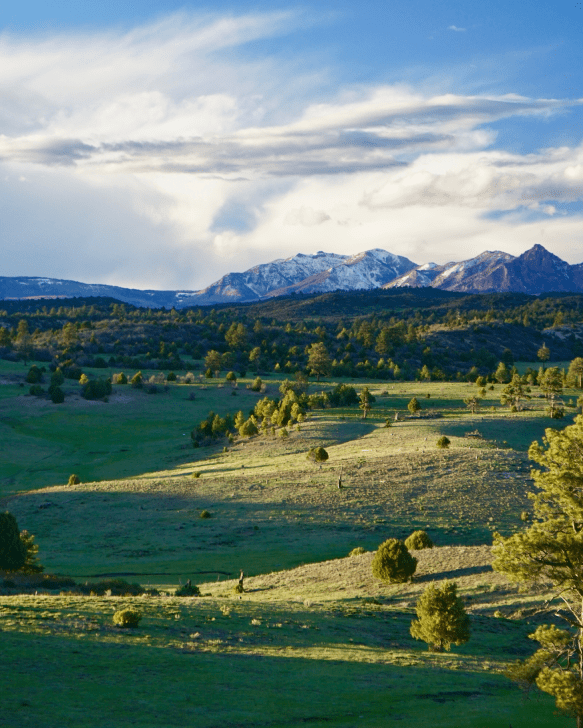
As America approaches its 250th anniversary, it’s a fitting time to reflect on how ranching in the West has evolved over the past two and a half centuries. While the spirit of the ranching lifestyle remains deeply rooted in tradition, the realities of owning and operating a ranch today are vastly different from what they were 250 years ago.
In the late 1700s, ranching in North America was in its infancy. Livestock operations were small, localized, and largely dependent on natural forage and open land. There were no fences, no modern equipment, and no established markets as we know them today. Ranching was primarily about survival—raising livestock for food, trade, and basic economic stability.
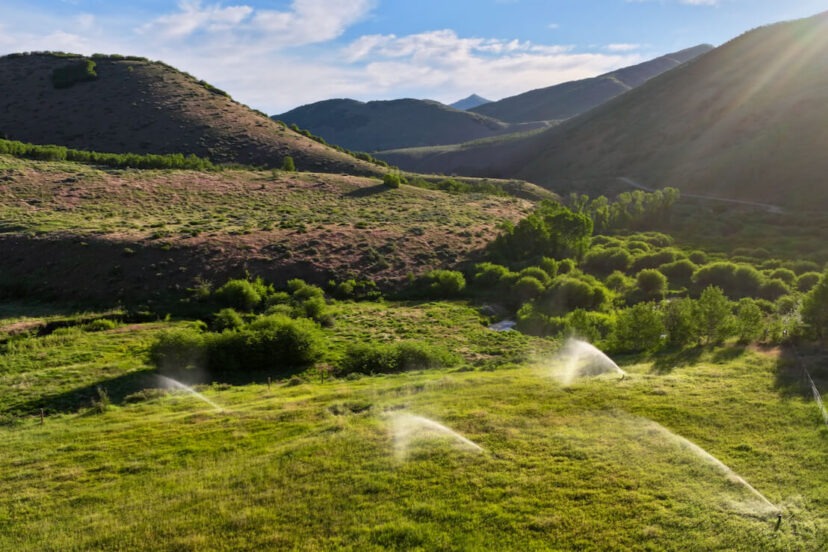
As the country expanded westward in the 1800s, ranching grew alongside it. The open range era defined much of the Western identity, with vast herds of cattle grazing freely across millions of acres. Cowboys drove cattle long distances to railheads, and livestock production became a central economic driver of the region.
Over time, however, the landscape of ranching began to change. The introduction of barbed wire in the late 1800s marked the end of the open range and the beginning of more structured land ownership. Railroads, improved breeding practices, and better access to markets helped ranching become more efficient and commercially viable.
Fast forward to today, and ranching in the West looks very different.
Modern ranches benefit from advanced equipment, improved genetics, better water management, and evolving technologies that allow for more efficient operations. Ranchers today are highly skilled land managers, balancing livestock production with conservation, wildlife habitat, and long-term sustainability.
Yet despite these advancements, one of the most significant shifts in Western ranching has been economic.
While livestock production remains an important component of many operations, it is no longer the primary value driver for most Western ranches. Instead, investment value has taken center stage.
Today’s ranch buyers are often motivated by a combination of factors that extend far beyond cattle production. Land appreciation, recreational opportunities, privacy, conservation potential, and lifestyle all play a major role in determining a ranch’s value. In many cases, the income generated from livestock is secondary to the long-term investment potential of the land itself.
This shift reflects broader changes in the West. As population growth, limited land availability, and increasing demand for open space continue to shape the region, high-quality ranch properties have become increasingly desirable assets. It’s no surprise that interest in ranches for sale in the American West and western ranches for sale continues to grow among investors and lifestyle buyers alike.
At the same time, the ranching lifestyle remains alive and well.
Across the West, ranch owners continue to steward the land, raise livestock, and preserve a way of life that has defined the region for generations. Whether it’s managing cattle on summer pasture, maintaining water resources, or caring for wildlife habitat, the day-to-day responsibilities of ranch ownership still reflect the values of hard work, independence, and connection to the land.
What has changed is how ranches are viewed and valued.
Today’s ranch owners often balance traditional ranching practices with modern priorities—whether that’s conservation easements, recreational use, or long-term land investment strategies. This blend of heritage and forward-thinking management is what keeps ranching relevant in today’s world.
As we celebrate America’s 250th anniversary, it’s clear that ranching has evolved alongside the nation itself. From the early days of open range grazing to today’s multifaceted land ownership, the industry has adapted to changing economic, environmental, and social conditions.
At Harrigan Land Company, we see firsthand how these changes shape the market for western ranches. Buyers searching for ranch properties today are not just looking for livestock operations—they’re investing in land, lifestyle, and legacy, often beginning their search with terms like ranches for sale in the American West or western ranches for sale.
While the tools, economics, and priorities of ranching may continue to evolve, the enduring appeal of owning a piece of the American West remains as strong as ever.